
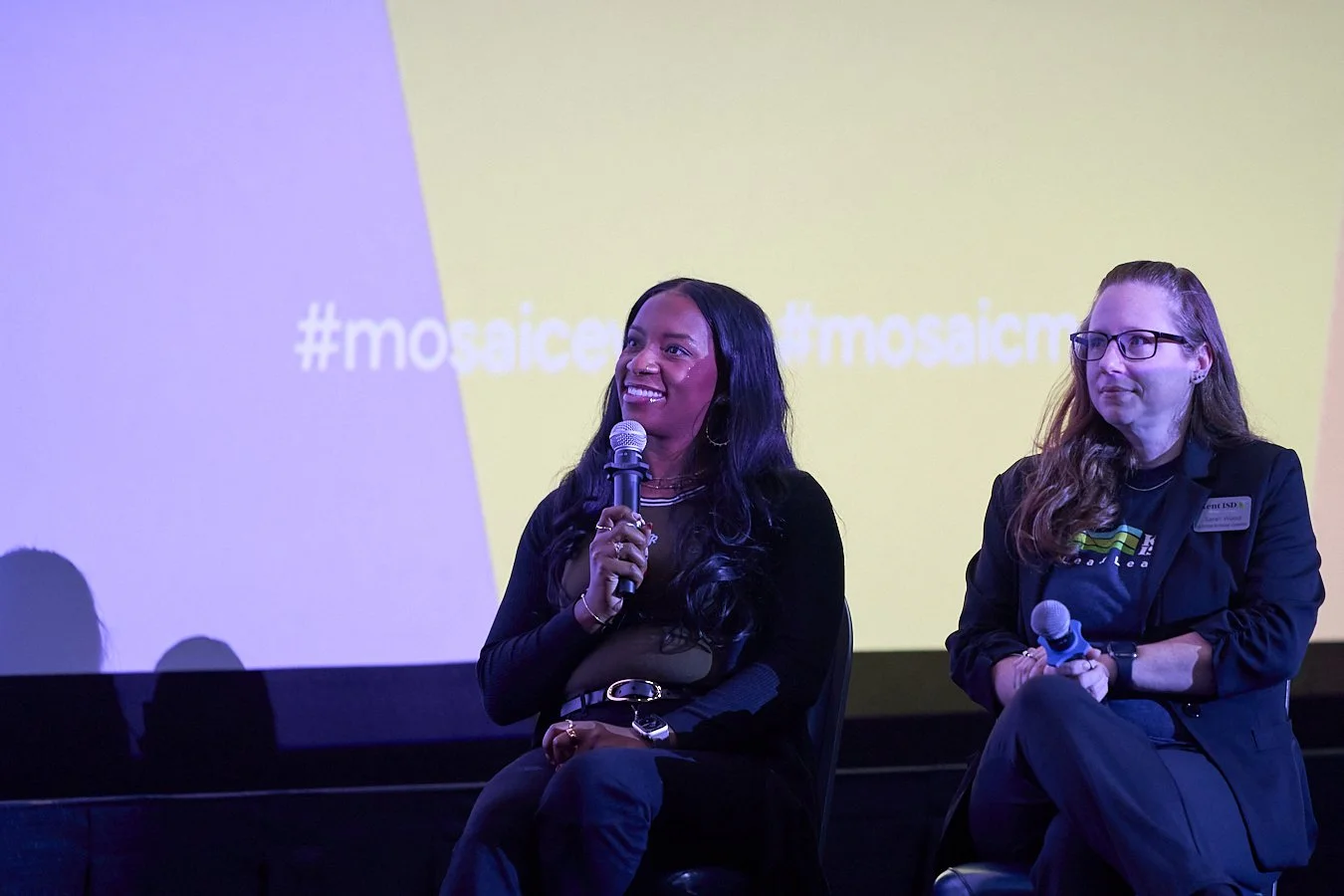
Bria Alexander and Sarah Wood
Technology and education professionals explore how AI can expand creative opportunities, while emphasizing the importance of critical thinking and responsible use.
Artificial intelligence (AI) is transforming how people learn, work, and create. But as AI becomes increasingly integrated into everyday life, how can young people use it to their advantage without sacrificing their creativity and independent thinking?
Bria Alexander, a generative AI professional and former Adobe design program manager, and Sarah Wood, an educational technology consultant at Kent ISD, explored that question during the 15th annual Mosaic Event on November 5 at Celebration Cinema GR North. Their keynote presentation, Your Unfair Advantage, connected to this year’s event theme, Creating What’s Next, by encouraging hundreds of West Michigan students to embrace emerging technologies while developing the skills and perspectives that make them uniquely human.
AI as a Tool for Creativity and Opportunity
Alexander opened the presentation by explaining why artificial intelligence has generated so much excitement. From managing schedules to organizing information and completing routine tasks, AI can help reduce the mental effort required to navigate everyday responsibilities.
By allowing technology to assist with certain tasks, individuals can devote more time and energy to creative thinking, problem-solving, and pursuing their interests. Alexander shared examples of how she uses AI assistants to help manage responsibilities in her personal and professional life, freeing up time to focus on more meaningful work.
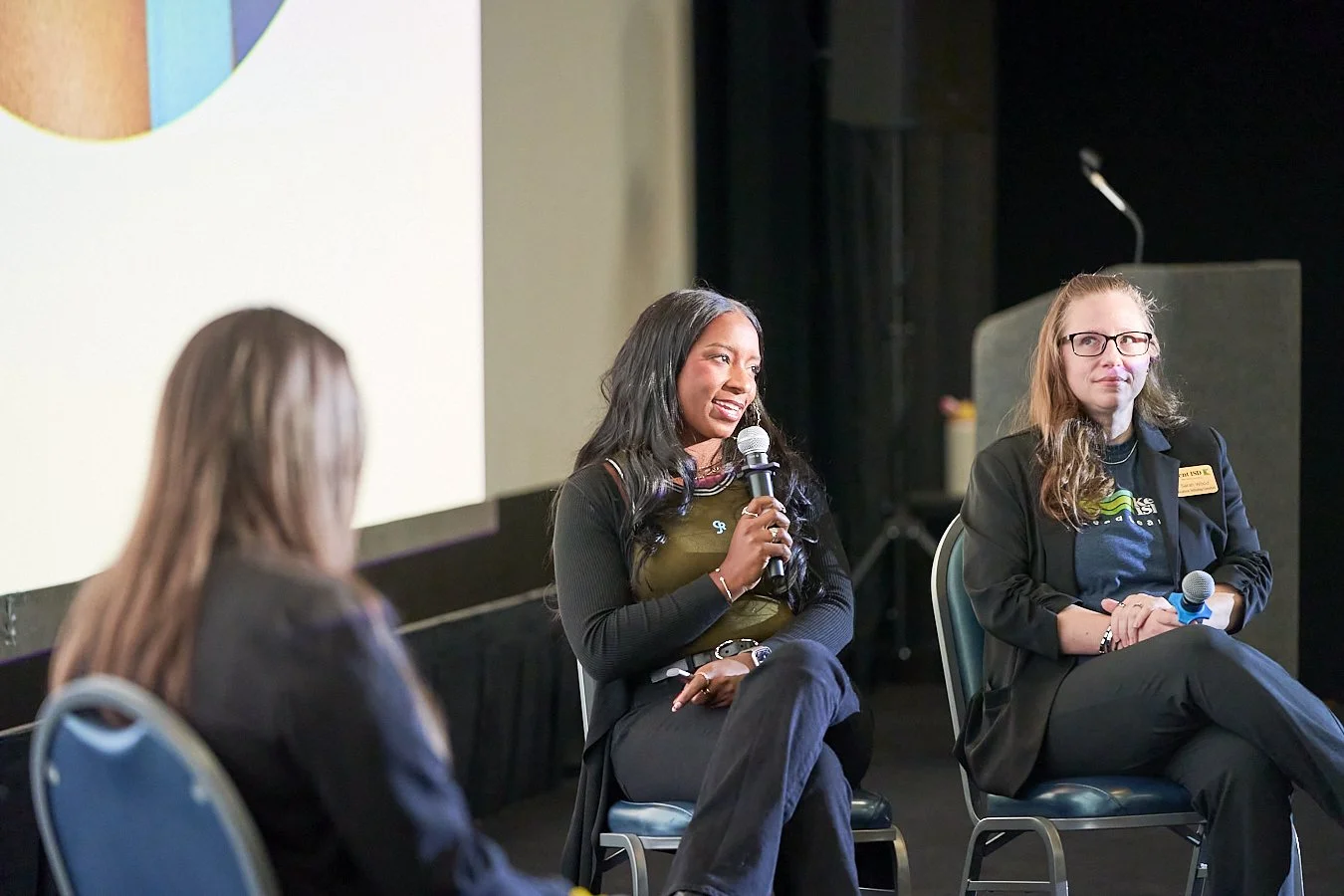
She encouraged students to recognize that growing up alongside AI presents opportunities that previous generations did not have.
“As high school students, you have an unfair advantage over the rest of the workforce,” Alexander said.
Because today’s students are learning to use AI at an early age, Alexander explained, they have an opportunity to develop skills that could help them navigate an increasingly competitive workforce. However, she emphasized that the greatest benefits come from using AI to support human abilities rather than replace them.
Understanding AI’s Limitations
While Alexander highlighted AI’s potential, Wood emphasized the importance of understanding its limitations and using the technology responsibly. She discussed three key concerns: bias, fabricated information and data stewardship. Wood illustrated these risks through examples involving career recommendations, historical research and social media content, demonstrating why AI-generated information should be evaluated critically rather than accepted at face value.
Alexander expanded on these concerns, explaining that AI lacks the lived experiences, personal judgment and creative perspectives that shape human thinking. She also cautioned students about becoming overly dependent on the technology, particularly while developing foundational academic and critical thinking skills. Relying on AI to complete assignments, generate ideas or make decisions can limit opportunities to strengthen those abilities.
“It’s super important to use AI more like a mirror and an amplifier of the genius that you already have within you,” Alexander said.
Rather than allowing technology to replace their own thinking, Alexander encouraged students to build their knowledge, pursue their interests and develop their unique creative perspectives.
Developing Skills for an AI-Powered Future
Alexander and Wood encouraged students to consider how AI can support their personal and professional goals while recognizing the importance of developing skills that technology cannot replace. From exploring career opportunities to strengthening written work and bringing creative ideas to life, AI offers new possibilities for learning, innovation and self-expression.
The speakers also emphasized that realizing these benefits requires students to remain actively engaged in the creative and decision-making processes. Rather than relying on AI to determine their interests or make decisions for them, students should use the technology to expand their capabilities while continuing to develop their own knowledge and abilities.
When asked which skills young people should prioritize as AI continues to evolve, Alexander offered a clear answer.
“Critical thinking,” she said. “Always look, double look, and triple look and make sure that whatever you’re seeing online or from anyone actually makes sense to you.”
Alexander emphasized that the ability to question information, recognize misleading claims and make independent decisions will become increasingly important as AI-generated content becomes more common. She also encouraged students to recognize their individual strengths, experiences and resources as advantages they can use to pursue their ambitions.
While emerging technologies may change how industries operate, Alexander encouraged students to remain confident in their abilities, embrace new opportunities and continue developing the skills needed to pursue their passions. “Please use every unfair advantage that you can,” she told students.
Using AI Responsibly
The presentation concluded with a student question about AI’s environmental impact, including its energy demands and the uncertainty surrounding its long-term effects.
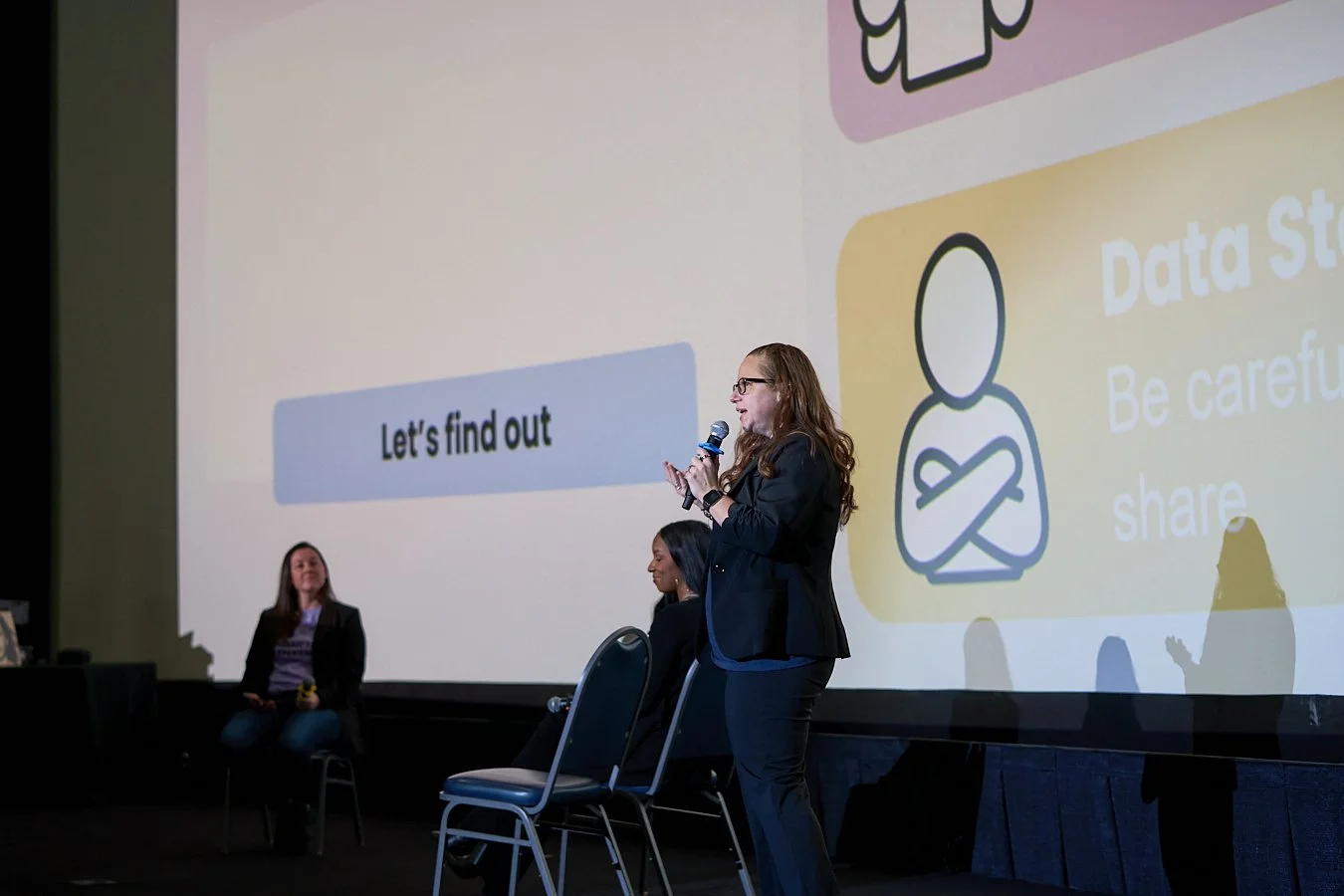
Wood acknowledged the importance of considering these concerns when deciding whether to use AI.
“Just because this is there, it doesn’t mean we have to use it,” Wood said. She encouraged students to evaluate whether AI is necessary for a particular task and to consider the broader consequences of their decisions. “Be very intentional, purposeful, and responsible when you use it,” she advised.
The discussion reinforced that responsible AI use involves more than understanding how the technology works. It also requires thoughtful decisions about when, why, and how to use it.
Empowering Students to Create What’s Next
Alexander and Wood’s presentation offered students a balanced perspective on a significant technology shaping their futures. While AI can expand access to information, support creative projects, and open new professional opportunities, the speakers emphasized that human curiosity, judgment, and creativity remain essential.
Their presentation supports Mosaic Film Experience’s commitment to equipping young people with the knowledge, skills and confidence to navigate emerging technologies, explore creative opportunities and shape their own futures. Ultimately, Creating What’s Next isn’t only about adopting new technologies. It’s about developing the knowledge, confidence, and critical thinking skills to use those tools in ways that reflect each young person’s unique vision.