Living Histories Film Project Connects Youth and Elders Through Storytelling
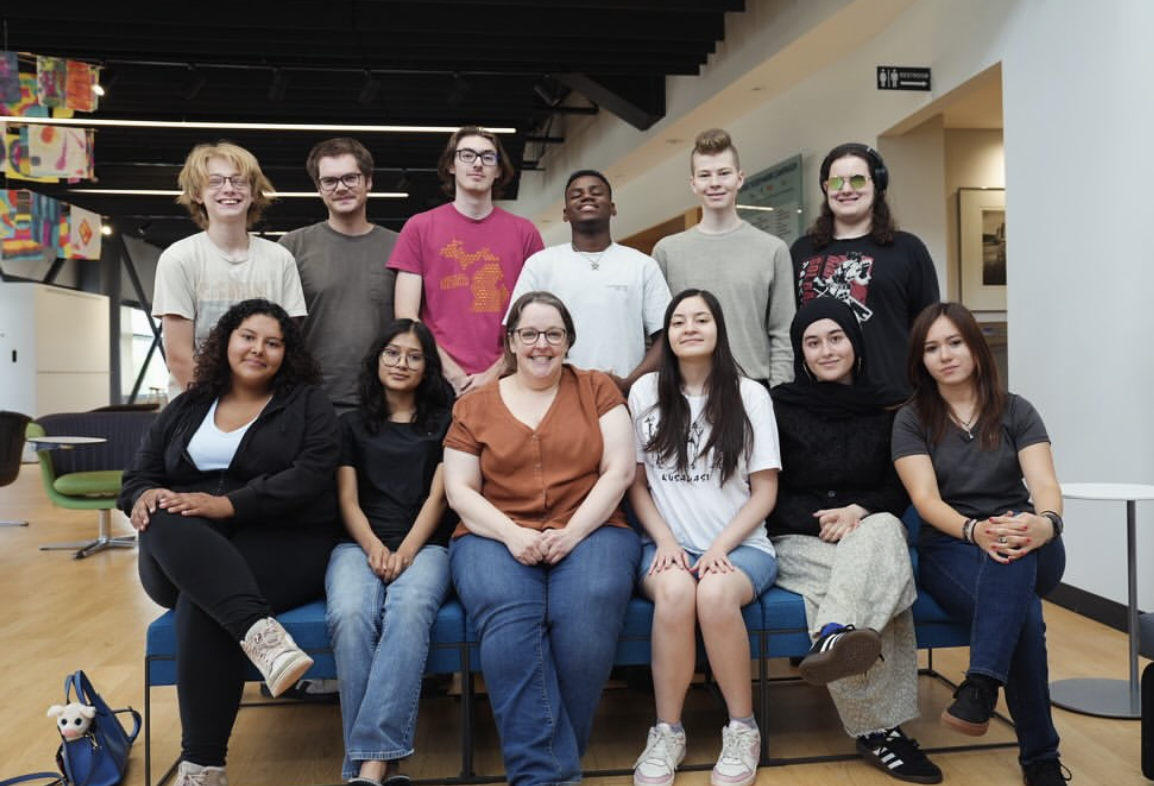
10 high school students from across West Michigan spent six weeks this summer capturing the stories of local elders and community leaders as part of the Living Histories project, an immersive documentary filmmaking program led by Mosaic Film Experience and hosted at the West Michigan Center for Arts + Technology (WMCAT). Held from June 16 to July 24 and supported by Sony Electronics’ CREATE ACTION grant, the program gave students hands-on experience using professional equipment while learning directly from industry mentors.
Students from City High/Middle School, Potter's House, Crossroads High School, Grand Rapids University Preparatory Academy, East Kentwood High School, Wyoming High School, and Grand Rapids Montessori High School participated in the program.
The Living Histories project provided students with a platform to share the stories of their communities through their own lens, interviewing elders and changemakers whose stories reflect the cultural richness and resilience. Through intergenerational storytelling, the students explored themes of identity, belonging, legacy, representation, and cultural impact.
The community elders interviewed for the series included:
Christine Shomin, Executive Director, Anishinaabe Circle
George Bayard III, Founder and Director, Grand Rapids African American Museum & Archives
Doris Ward, Retired Educator, Grand Rapids Public Schools
Anita Christopher, Director of Community Relations, United Methodist Community House (Retired Grand Rapids Public Schools Educator)
Lupe Ramos-Montigny, Former Member, Michigan State Board of Education
Bing Goei, CEO, Eastern Floral and Goei Center
John Loeks, Founder, Celebration Cinema
“Sony Electronics’ support is helping us amplify the voices of young storytellers and preserve the legacies of our community,” said Skot Welch, President and Founder of Mosaic Film Experience. “Through this partnership, we’re expanding access to media education and equipping underrepresented youth with the creative, collaborative, and critical thinking skills they need to succeed in their future careers.”
Program Mentors were:
Kenny Acker, Cinematographer, AVES Films
Steven Cole, Gaffer and Lighting Technician
Nathan Mitchell, Sound Engineer
Dagan McClure-Sikkema, Post-Production
Additionally, the following community members donated their time to meet with students:
Zach Liniewski, Senior Producer/Director, WGVU Public Media
Evette Pittman, Manager, Office of Special Events at City of Grand Rapids
Mariah and Cierra Barrera, Co-Founders of BREAKBARRIERS
Gina Bivins, Grand Rapids Public Museum; Grand Rapids City Archives
Erika Pineiro-Werksma, Production Designer, Mad Props
Miguel Hernandez, Director/Editor, AVES Films
Los Angeles-based producer Ryan Stephens, best known for his work on the Apple TV+ series Shrinking, and a longtime Mosaic Film Experience collaborator, volunteered to supervise the final cuts of the Living Histories documentary.
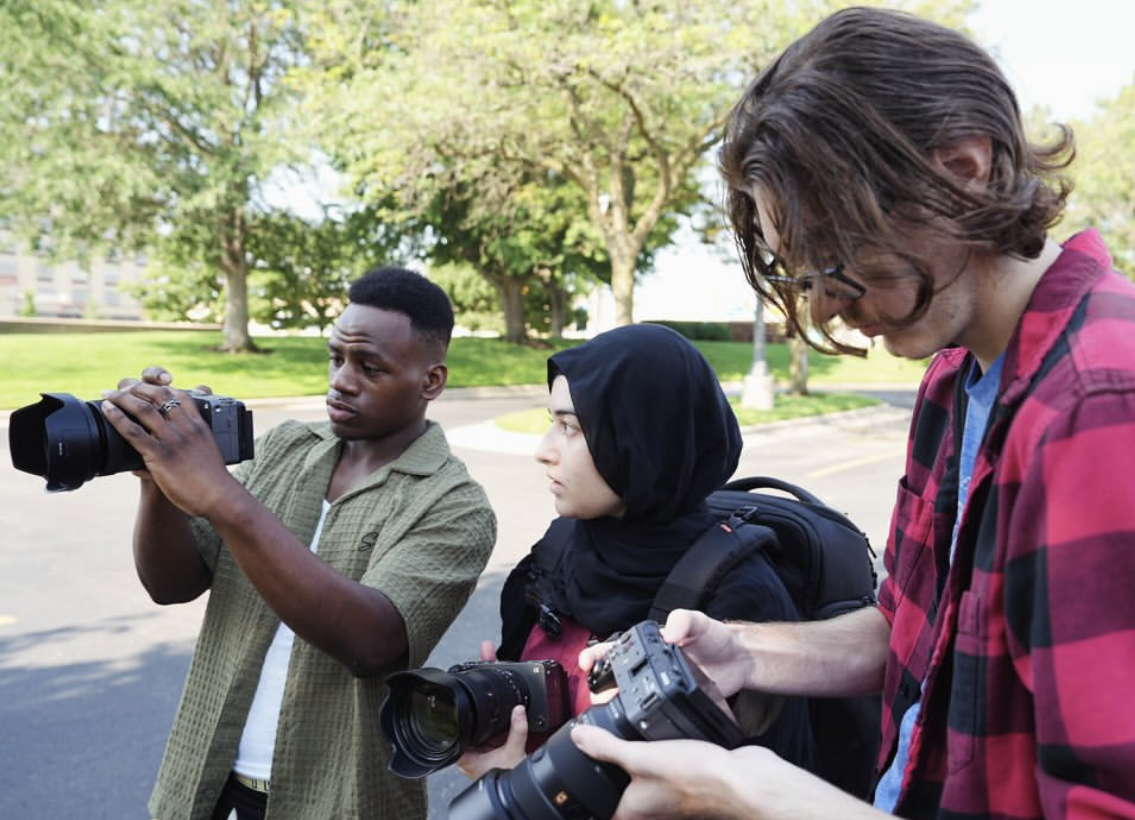
Youth participants received a $1,000 stipend based on attendance and performance and used Sony cameras and microphones to film documentary content. They learned key documentary filmmaking skills, including research, storyboarding, filming, editing with Adobe Premiere Pro, conducting interviews, managing sets, and collaborating as a crew.
Students described the program as “inspiring.” Beyond learning to operate cameras and edit footage, students developed storytelling skills and embraced teamwork and decision-making, essential talents for any career. One student shared, “I learned that to make a film you need to be able to rely on your team,” while another added, “Filmmaking is constant problem solving. Being flexible is essential.”
All 10 students rated the hands-on filming experience as highly valuable, and 80% strongly recommended the program to others. Half of the participants plan to pursue storytelling or film-related careers.
Sony produced a behind-the-scenes video showcasing the program, the students, and their work. Additionally, seven short videos created through the Living Histories project will air as interstitials on WGVU beginning in January 2026. A special Grand Rapids screening event is also planned for that month.
This initiative is part of Mosaic Film Experience’s educational programming, which offers year-round, project-based learning and digital storytelling experiences. The Living Histories project is designed as a continuous program, with future cohorts of students building on the foundation of storytelling, collaboration, and community engagement established this year.
“We are intentional about taking a step back and listening,” said Welch. “By engaging directly with students, educators, and creative industry partners, we’re creating something significant, programming that reflects the voices of our community and opens doors to future opportunities.”